|
3-9 April, northern France, led by Richard Bedford |
|
|
On Sunday 3rd April our group arrived at Escalles, a small village south of Calais. Sunshine greeted us and we were just in time for dinner, which provided ample refreshment after the long drive from Scarborough.
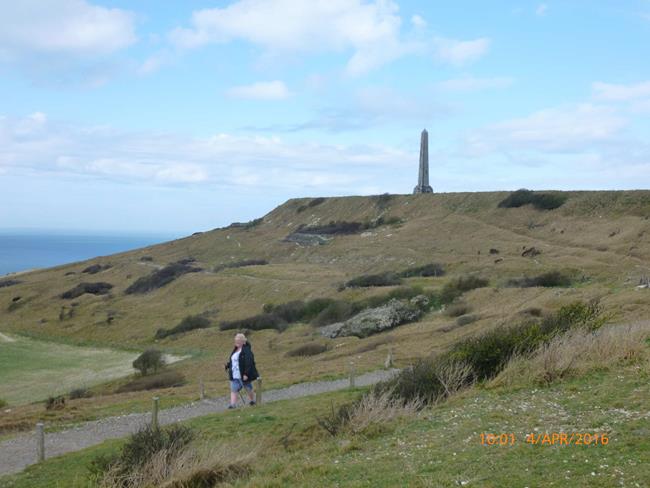
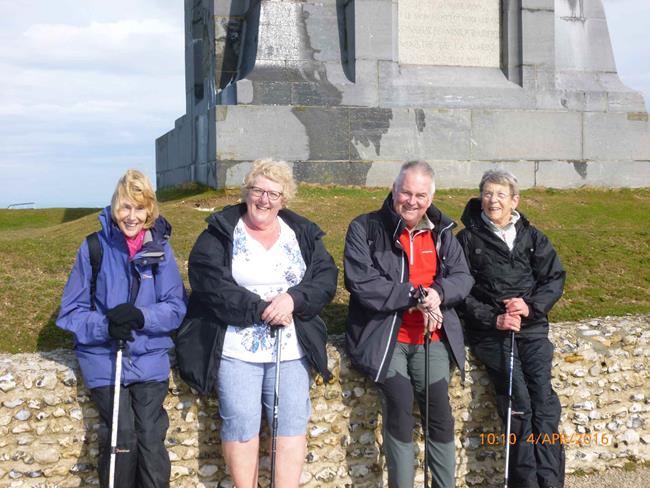
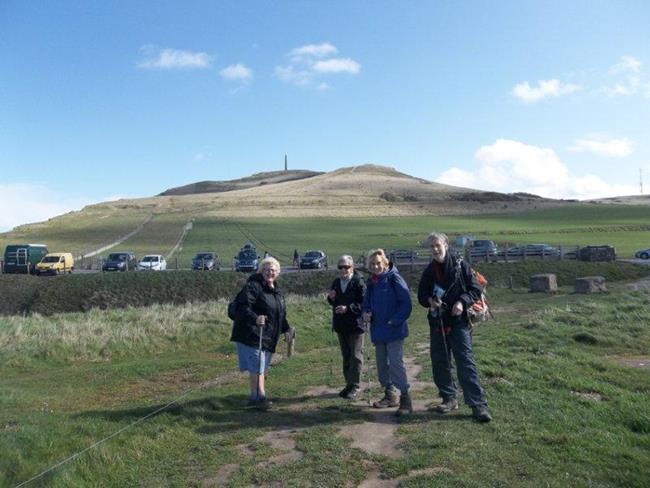 We set off the next day and walked from our base to Cap Blanc Nez, for the long climb up to the monument from where the English coast is clearly visible and you can watch the many cross-channel ferries plying their way in and out of the busy port of Calais. German wartime defences abound along this coast, which was part of Hitler's notorious Atlantic Wall. We set off the next day and walked from our base to Cap Blanc Nez, for the long climb up to the monument from where the English coast is clearly visible and you can watch the many cross-channel ferries plying their way in and out of the busy port of Calais. German wartime defences abound along this coast, which was part of Hitler's notorious Atlantic Wall.
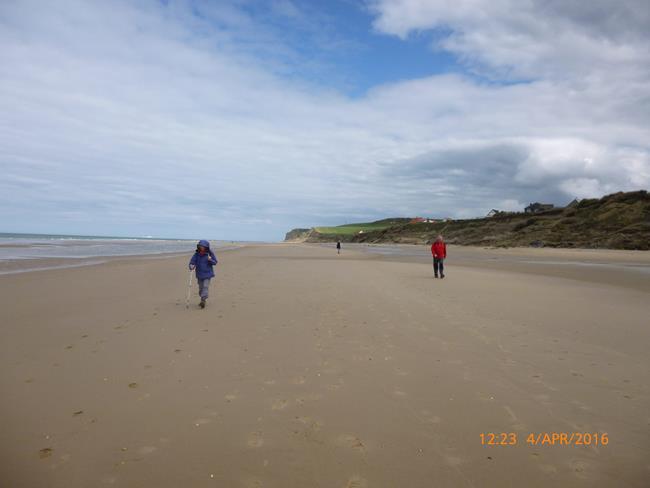
We then descended and followed the coastal path, the GR 120 Route de Grande Randonnee, to the picturesque little town of Wissant.
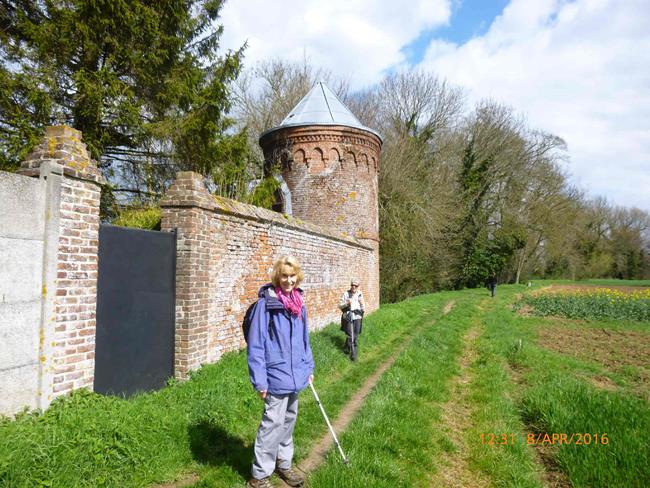
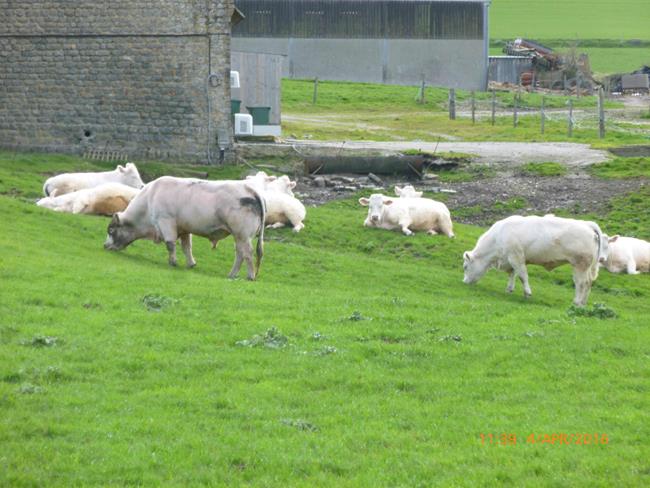
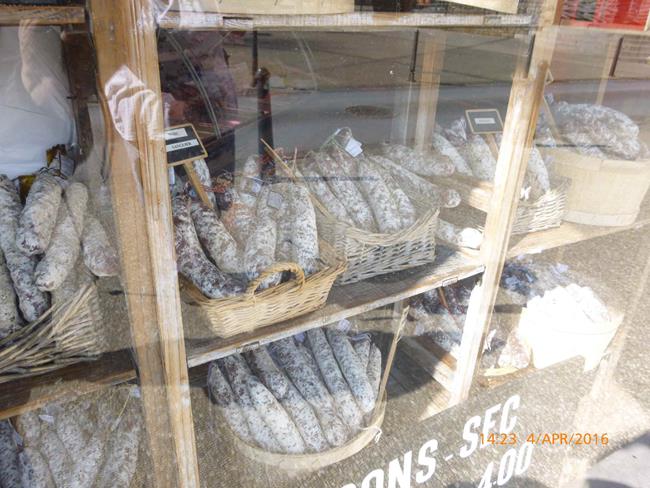
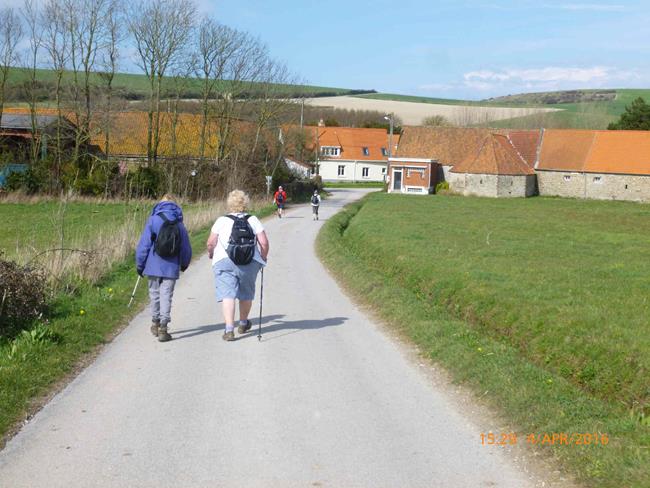
The warm sunshine encouraged the purchase of a traditional French picnic, which we enjoyed in the town square. Having spent the morning marching on cliff, sand-dune and beach, our route back took us across rolling French countryside, where the absence of field hedges and clear boundaries creates a rather different landscape to that of home.
On Tuesday we took a service bus from the hotel into Calais-only 1 euro per person for a 7-8 mile journey.
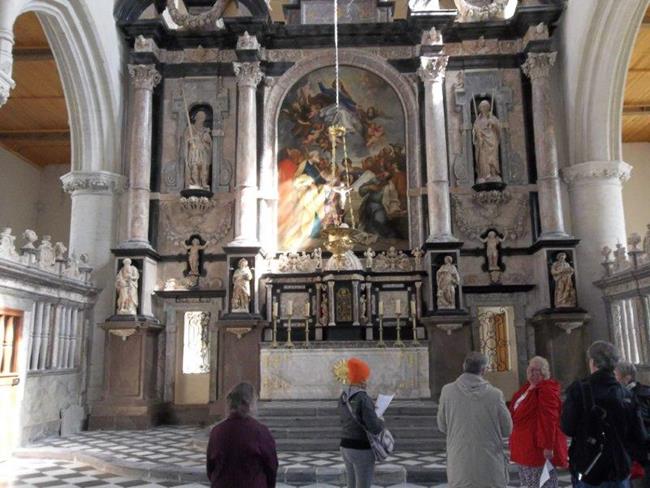
We then met Antoinette Boulanger, Richard's correspondent friend in Calais, who had arranged a private tour of the church of Notre Dame de Calais for us. Dominique Darre, a leading trustee, was our guide, assisted for translation by a local British teacher, Kristina Howells. The church has a very long history, much of it tied in with English occupation, although in more modern times it was where General de Gaulle married a native of Calais, Yvonne Vendroux. After more urban rambling, taking in the Citadel and old lighthouse, we repaired to a local hostellerie (French spelling) for appropriate refreshment.
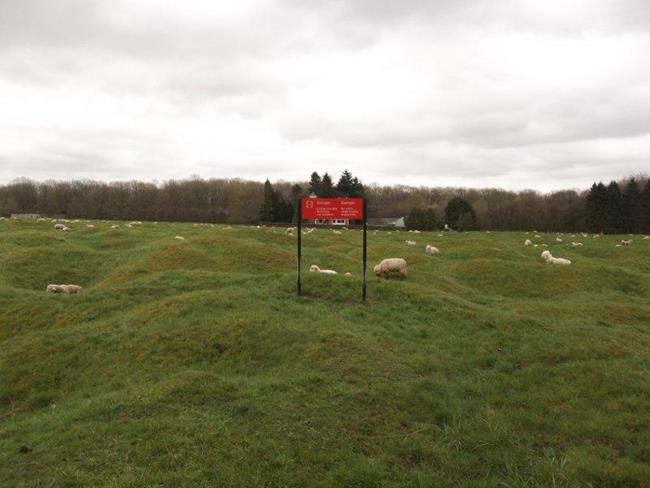
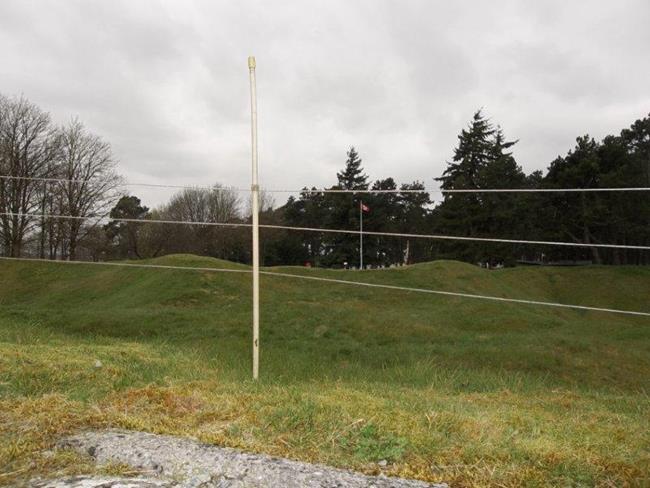
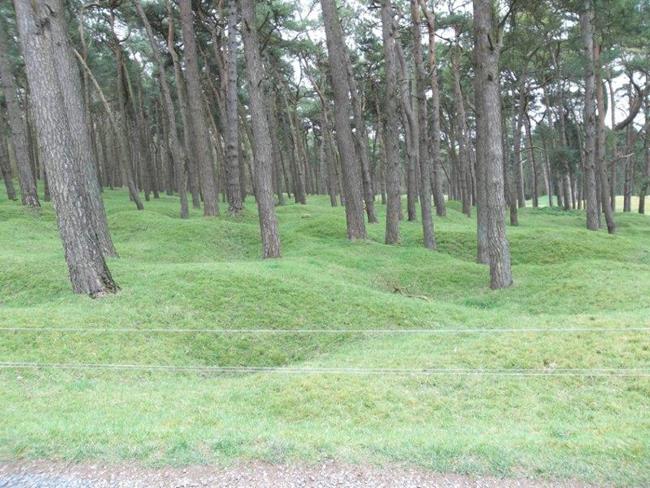
The next day saw us drive south east to the Canadian WW1 Memorial at Vimy Ridge. Here you can learn about the war at the visitor centre, go on a guided tour of the original tunnels dug by the Allied soldiers and walk in both Canadian and German trenches, all preserved for posterity.
We carried on with our journey and arrived at the village of Gavrelle, a few miles from Arras and the location of our next hotel.
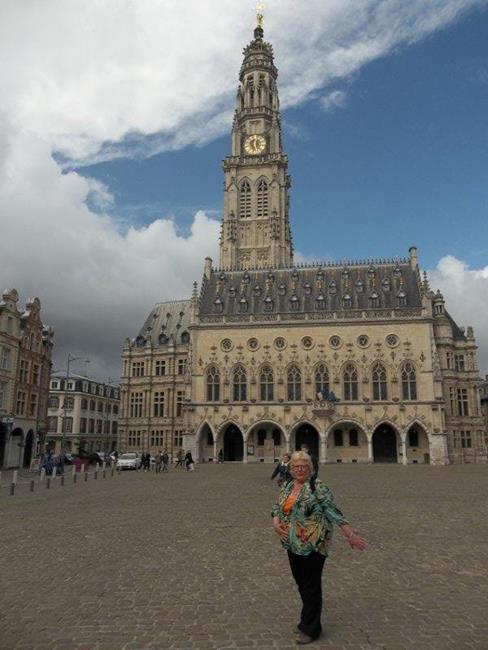
On Thursday we took a taxi which had been arranged for us into Arras, with its attractive Flemish architecture, large squares and fine public buildings.
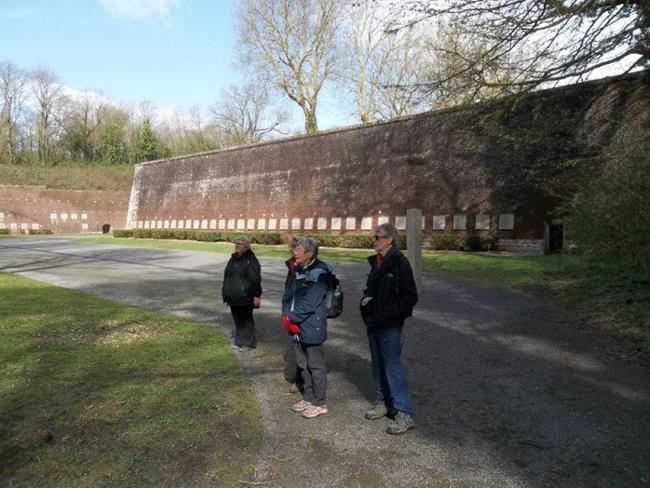
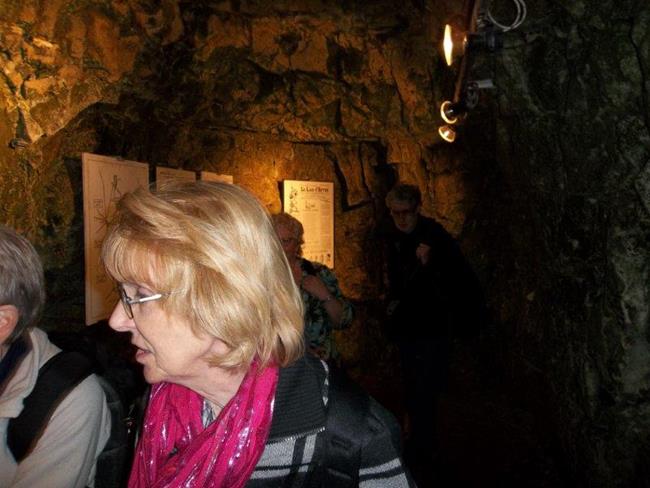
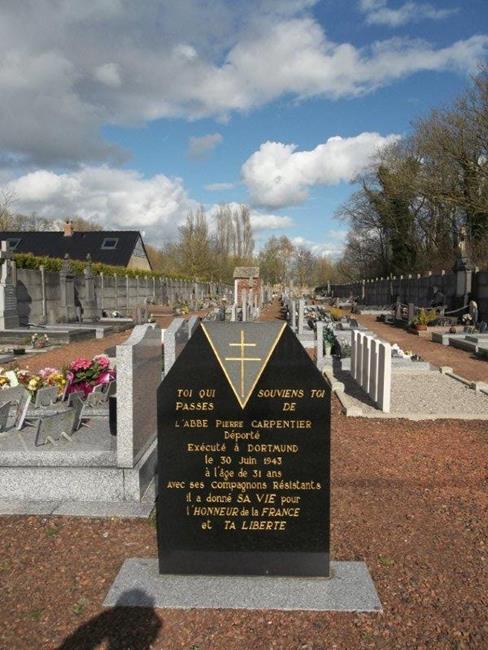
We hopped aboard the free town centre bus and went to the Citadel, a large fortress dating from the 17th century and designed by the military architect Vauban. Here we saw a grim reminder of WW2-the place of execution of over 200 Resistance members by the Nazis during 1941-4. We explored the town, including a guided tour of Les Boves, 13th century stone quarries deep beneath the town centre.
Friday saw two separate activities.
Gary led a walk from Arras into the countryside. Lisa and I went to look at some local stores and compare goods and merchandise with home. We then headed south to the little town of Bapaume for another urban exploration. After this we headed for the large town of Douai and the "Centre Historique de Minier", which is a former coal mine and now a visitor centre. We joined a guided tour and complete with safety helmets went underground. A most interesting and informative visit.
All too quickly it was Saturday and time for home; we made our way to Calais via the battle site of Agincourt, scene of Henry V's defeat of the French in the Hundred Years War.
The visitor centre is well worth going to and gives all the background information needed. We then made our way across country to Calais, the Channel Tunnel and back into England.
It was a most enjoyable stay in Northern France, an area rich in history, much of which is tied in with our own. I would like to take this opportunity to thank everyone for their good company, their sense of fun and interest in all we did, which made this venture possible. - Richard Bedford
|
|
|
Sept little pigs going to Calais,
But deux little pigs never did...
Un little pig had snails for tea,
Deux little pigs had squid!
Un little pig laughed loud all week,
As all the little pigs did...
And un little pig went: "Oui! Oui! Oui!"
And then they all went home. - Pam Brearley
|
|
|
|
|
|
|
|
 |
|
 |
|
|
|
|
 |
|
|
|
|
|
|
|
|
|
|
|
|
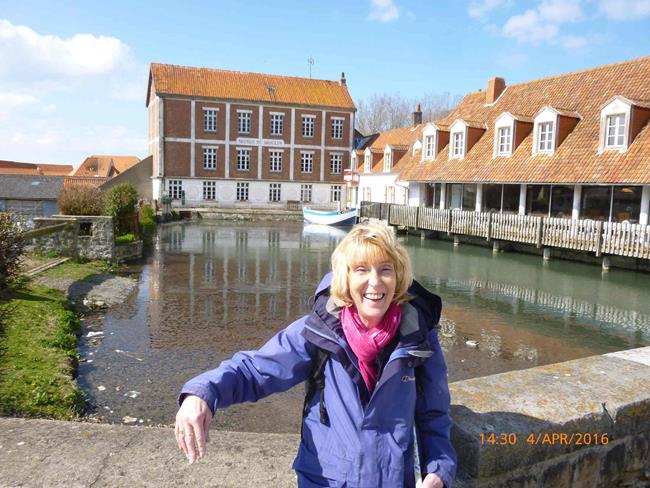
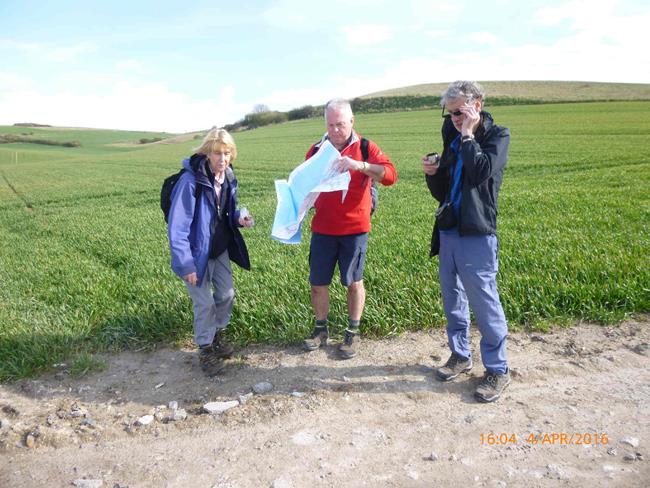
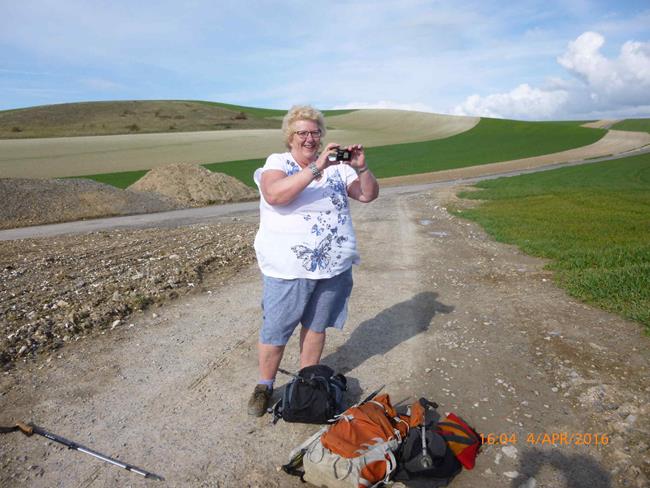
| WALK ON MONDAY APRIL 4
No on walk : 5
Walk leader: Richard Bedford.
Route: from out hotel at Escalles to Cap Blanc Nez and then to Wissant along coast, returning to Escalle via inland paths.
Distance: about 8 miles
Conditions: generally sunny.
|
|
 |
|
 |
|
 |
|
 |
|
 |
|
 |
|
 |
|
 |
|
 |
|
 |
|
 |
|
 |
|
 |
|
 |
|
| WALK ON FRIDAY APRIL 8
9 miles from Arras from the public park at des Grande Prairies which is about 1 mile NNW from Arras city centre. The walk has a name Au Fil Du Crinchon, which I think means the line or route of the Crinchon river.
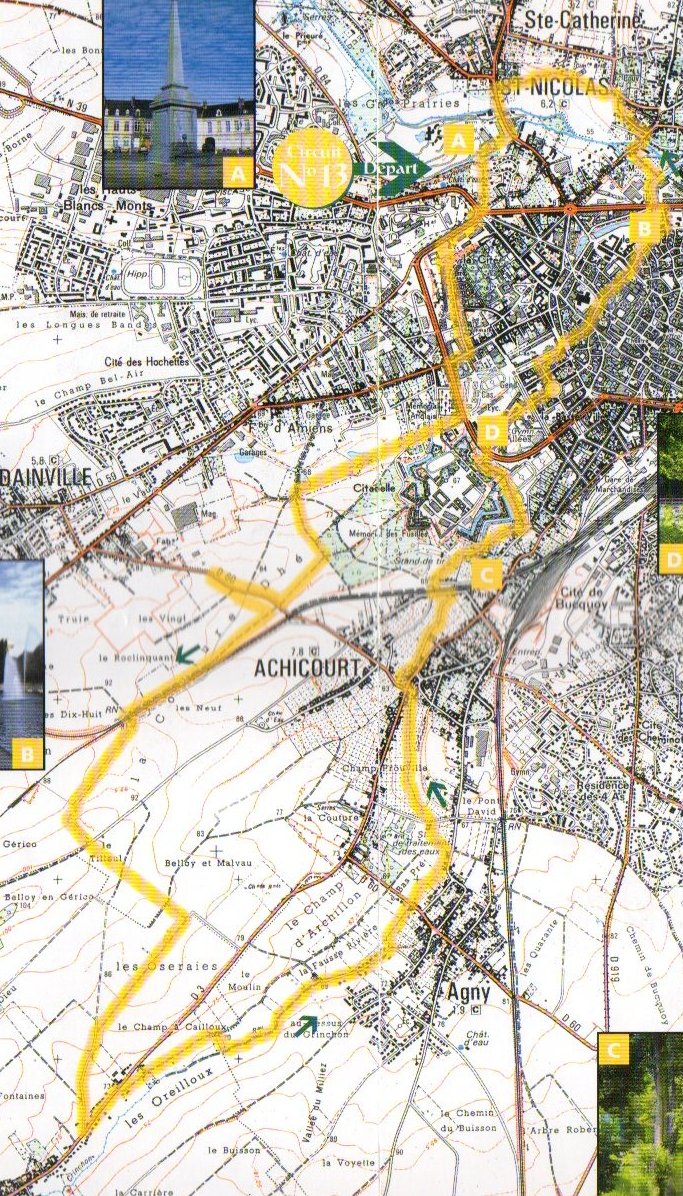 Length 10 miles estimated, 3 persons (Gary, Pam and Sheena), route attached. Note that Achicourt , on the route, has nothing to do with Azincourt(scene of battle between French and English under Henry V Length 10 miles estimated, 3 persons (Gary, Pam and Sheena), route attached. Note that Achicourt , on the route, has nothing to do with Azincourt(scene of battle between French and English under Henry V
We had done no recce and were armed with a leaflet (with map) and compass.
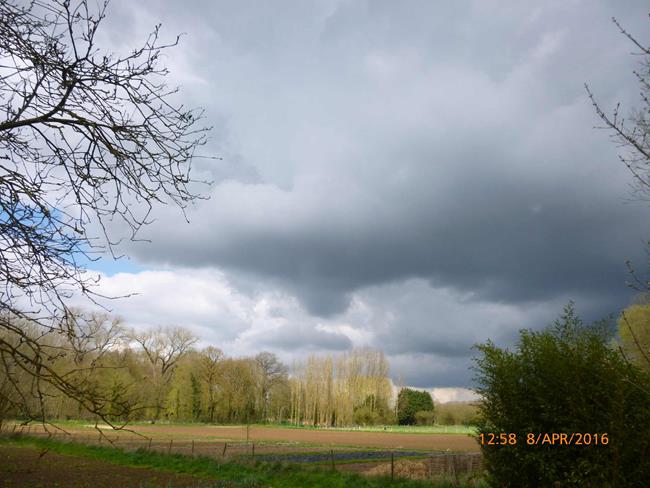
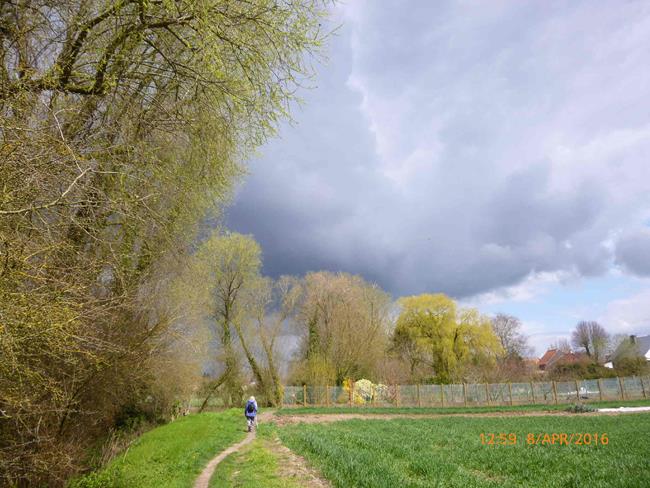
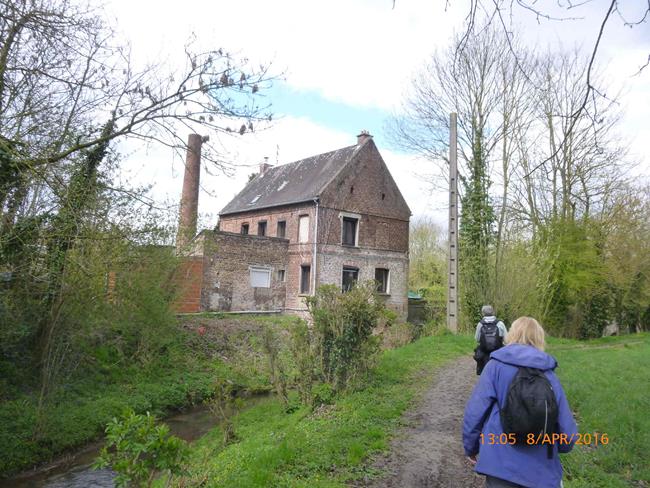
One major problem was simply finding the park where the walk started but several wrong turns and wrong roads later, we eventually found the park with adequate (free) parking. Initially the walk goes through the built up area of the town and whilst we were doing so a very friendly Frenchwoman with excellent English (she had worked in Buxton years ago) heard our voices and decided to assist us with navigation through the town. She said she had been listening to Radio 4 earlier and she confirmed David Cameron was still in office (he was in a spot of bother over an overseas trust fund ). The route goes past the Citadel and we were glad to leave the streets behind for a taste of rural France. It's fair to say the countryside is on the flat side but the newly emerging growth on trees and bushes made this a very picturesque walk. We followed the delightful river Crinchon on the return trip back to Arras and we were surprised by the number and size of allotments, all of which appeared to be very well kept with many having newish substantial allotment sheds. Per the leaflet the walk should have taken us 4hrs 15mins but we took about 6 hours, taking our time to look round. In the main the route was very well signposted but there were two points where we struggled to find the right route (ie got lost).
On our return to Arras we visited the Notting Hill Café which does a mean latte ( yes, I know it's Italian.....)- Gary Malcolm
|
|
|
|
|
|
|
|
 |
|
 |
|
 |
|
 |
|
 |
|
| |
|
|
|
|
|
|
 We then explored the centre of Calais on foot. We made our way to the town hall and visited the famous belfry, 75m high (250ft) and providing a spectacular viewpoint from which to survey the entire town.
  The area is vast and provides a thought-provoking experience for all, particularly at the huge monument overlooking the town of Arras. Warning signs keep the visitor on the paths-there are still unexploded munitions lying in the soil.
  Much of Arras had to be rebuilt after WW1, but it is difficult to tell. It has delightful side streets, attractive restaurants and shops as well as historic buildings including the town hall and another tall belfry to climb!, Cue the need for more refreshment at a local pavement café.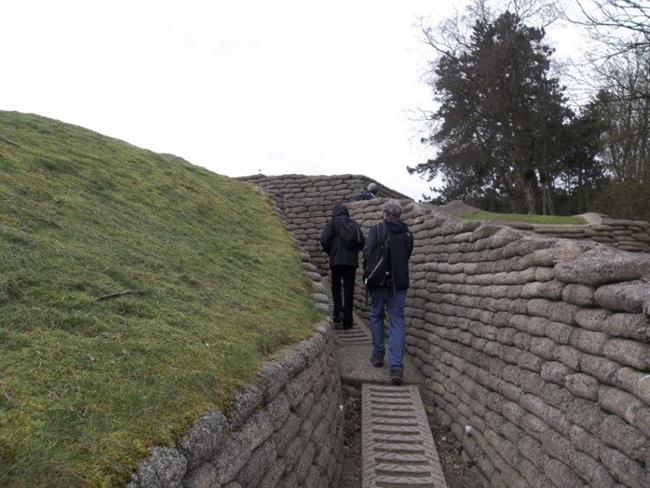

.jpg)